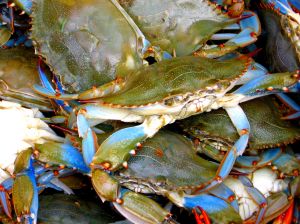
The Chesapeake Bay area is famous for its wealth of seafood: Crab Cakes, Oyster Stew, Steamed Crabs and much more. These culinary favorites are steeped in tradition and prepared with intense pride. The locals are perhaps best known for their culinary love affair with the famous Blue Crab -- and this traditional and delicious She Crab Soup is made from the sweet, delicate meat of the She Crab. A bit of roe adds richness and flavor. Its elegant bisque-like creaminess will delight your senses.
12 Female Crabs, all the meat picked plus
Orange Roe
8 tablespoons butter
1 small onion finely diced
2 tablespoons minced shallots
3 tablespoons flour
12 cups fish stock (a flavorful vegetable or chicken stock may be substituted for the fish stock if necessary)
2 cups heavy cream
1 teaspoon salt
½ teaspoon freshly ground pepper
2 teaspoon Worcestershire Sauce
1 dash Tabasco Sauce (optional)
½ cup dry sherry
1 lemon freshly squeezed
Purchase one dozen female crabs already steamed or buy them live and steam them yourself. Pick the crabs for all their meat and reserve the orange roe. In a sauté pan, melt 4 tablespoons butter and sauté the onion and shallots until just tender.
Whisk in the flour and cook over medium heat for 2 minutes while stirring, taking care not to brown the flour mixture. Slowly whisk in the heavy cream and stock. Add in the salt, pepper, Worcestershire Sauce and Tabasco (if using). Cook on medium until the soup thickens, about 15 – 20 minutes, stirring frequently.
While you are thickening the soup, melt 4 tablespoons of butter in a sauté pan and toss the crabmeat and roe until heated through, 3-4 minutes. Once the soup has thickened add the crabmeat mixture and stir. Add the sherry and lemon juice and simmer for several minutes until heated through and you are ready to serve!
The wonderful recipes and culinary traditions of the Bay area have been influenced by history dating back hundreds of years. It was 1607 when Captain John Smith first saw the Chesapeake Bay at what was to become Jamestown, Virginia, the first permanent English Settlement. From the writings in his journal it is clear that these early settlers quickly recognized that they had landed in a paradise of riches. Smith quipped in his journal that the fish were so plentiful that they would simply catch them “with our frying pans.” The Bay was abundant with crabs, clams, oysters and fish -- and the surrounding areas alive with wildlife.
But these early settlers were not the first to revel in its bounty. The Powhatans had long inhabited its shores, naming it “Tschiswapeki” or the “Great Shellfish Bay.” The Native American women produced plentiful crops of corn, squash and beans and archeological digs of native villages discovered large quantities of shells revealing the Powhatan's love of oysters, clams and other shellfish. From this history the Chesapeake Bay area's cuisine has evolved and today we enjoy its bounty with traditional recipes such as this. Serve your She Crab Soup with a light salad of mixed greens and French bread and enjoy!
Best Of The Bay
The culinary traditions of the Bay area have been influenced by history dating back hundreds of years. It was 1607 when Captain John Smith first saw the Chesapeake Bay at what was to become Jamestown, Virginia, the first permanent English settlement. From the writings in his journal it is clear that these early settlers quickly recognized that they had landed in a paradise of riches. Smith quipped in his journal that the fish were so plentiful that they would simply catch them "with our frying pans." The Bay was abundant with crabs, clams, oysters and fish; and the surrounding areas alive with wildlife.
But these early settlers were not the first to revel in its bounty. The Powhatans had long inhabited its shores, naming it "tschiswapeki" or the "great shellfish bay." The native american women produced plentiful crops of corn, squash and beans and archeological digs of native villages discovered large quantities of shells revealing the Powhatan's love of oysters, clams and other shellfish. From this history the Chesapeake Bay area's cuisine has evolved.
Today, the Chesapeake Bay cuisine is famous for its wealth of seafood: crab cakes, oyster stew, steamed crabs, she crab soup, crab chowder, baked stuffed rockfish, oyster fritters and much more. These are the culinary favorites steeped in tradition and prepared with intense pride. The locals are perhaps the best known for their culinary love affair with the famous blue crab, so lets explore time-honored cooking traditions of the Chesapeake Bay and the ubiquitous blue crab.
Grades of Crab Meat
Crab meat from the blue crab comes in four grades depending on which part of the crab it comes from. The premium grade of crab is referred to as jumbo lump. It comes from the pair of large muscles towards the back of the crab that drive the crab's swimming legs. If approached with great care, these pieces can be removed whole and will yield the elegant, delicate jumbo lump used in many gourmet dishes. Moving towards the front of the crab, the next grade of meat is backfin (also sometimes referred to as lump). The pieces of meat from this section are smaller than the jumbo lump, but still retain the wonderful texture and flavor. Backfin is the grade preferred by many for its fine quality and flavor at a more affordable price.
Continuing forward on the body of the crab, the next section yields white crab meat. These are much smaller pieces and are often used as an economical option for soups and salads where the presentation of the meat is less important. The last grade of meat is the claw, the "dark meat" of the crab. The claw and leg meat has a stronger flavor that the white meat and some prefer it for its more robust flavor and lower price. Claw meat can also be used in dishes that call for stronger spices, as its flavor is not as delicate as the other grades. Your choice of grade will depend upon the kind of dish you are making, your budget and your personal flavor preferences.
Crab Cake Recipe
There are dozens, perhaps hundreds of recipes for crab cakes; every crab-loving family has their favorite. This one is a basic, traditional and delicious recipe made with the finest grade crab meat, the jumbo lump.
1 egg
1/2cup of finely broken cracker crumbs (use a high quality cracker with a delicate flavor for the best results)
3tablespoons mayonnaise
1 tablespoon fresh squeezed lemon juice
1/2teaspoon freshly ground pepper
2 teaspoons Chesapeake Bay seasoning (such as Old Bay)
1 pound jumbo lump crabmeat
1 dash of tabasco (optional)
Jumbo lump crabmeat should have very few pieces of shell, however you should pick through it carefully and remove any pieces you see (or feel). Handle the crabmeat gently as you do this. Place the crabmeat in a large mixing bowl and sprinkle the fine cracker crumbs over it tossing very gently until the crabmeat is covered evenly.
In a second bowl, beat the egg and add the mayonnaise, lemon juice, bay seasoning and ground pepper. Wisk these ingredients together until the mix is a bit frothy. Pour the mix over the crab meat and gently toss until well mixed. Form the crab cakes by hand taking care not to over handle or pack too tightly; the cakes should be as loose as possible while still holding their shape. (If the cakes are not holding their shape, you can add additional cracker crumbs, but try to add as little as possible). This mix will yield 4 large crab cakes or 6 slightly smaller ones (8 appetizer size).
Saute the crab cakes in extra virgin olive oil until golden brown on both sides (8 to 10 minutes). You can also broil the crab cakes if you prefer, 4 to 5 minutes on each side until golden brown. Serve with lemon slices or tartar sauce and enjoy!
Laura Marchiori has sinced written about articles on various topics from Cooking Tips, PPC Advertising. . Laura Marchiori's top article generates over 12100 views. to your Favourites.
Designing A Flash Website Instead, strive to build a website that goes well with the search engines rather than going against them. A picture is definitely not worth a thousand words as far as a search engine is concerned