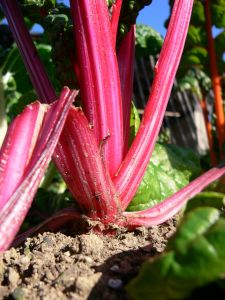
Aside from the beautiful flowers and good-smelling herbs people often associate with garden planters, vegetables also do great in these contained and compact environments. Depending on the planter size, most anything can be grown within, especially is care is taken to choose more dwarf or bush varieties, which take up even less space.
Some of the best vegetables for garden planters include the following:
Tomatoes: Small Fry, Saladette, Toy Boy, Spring Giant, Pixie, and Tiny Tim
Radishes: Scarlet Globe, White Icicle and Cherry Belle
Cucumbers: Spacemaster, Salad Bush Hybrid and Bush Pickle
Green Beans: Kentuckt Wonder, French Dwarf and Blue Lake
Green Onions: Beltsville Bunching, Evergreen Bunching and Crystal Wax
Eggplant: Bambino and Slim Jim
Leaf Lettuce: Bibb, Salad Bowl and Buttercrunch
Peppers: Banana, Red Cherry, Jalapeno, Chipotle, Habanero, Cubanelle and Frigitello
Squash: Gold Rush and Ronde de Nice
When deciding what to plant where, take into consideration the space needs of the plants and their roots, along with what amount of sunlight different plants require. For example, tomatoes, cucumbers and green onions have about equal watering requirements and sunlight exposure. Also, some plants, like tomatoes, will continue growing after other vegetables have ceased to yield their harvest for the season.
Choosing which garden planters to use is a matter of personal taste. A lot of people opt for the classic wooden planters because they are natural looking and attractive, hold up well outdoors, and are relatively easy to build by hand. Some other materials found in garden planters include metal, fiberglass and stone, each of which has its various advantages and disadvantages. When considering planters, one must also note that some planters are free-standing, whereas others are mounted or attach to window sills. If you have limited space or reside in an urban setting, you may choose to opt for the latter type.
Regardless of which material or model you choose, there are some basic things to take into consideration. All garden planters should come equipped with a rudimentary drainage system, often something as simple as having holes on the bottom from where water seepage can exit. Excess water, especially in the case of strong rains, can easily kill a plant, especially those varieties prone to drier environments. If your planter does not have drainage, it is usually pretty easy to drill a few holes into the bottom of your vegetable garden planter. Another concern for planters is color. Not simply an aesthetic consideration, darker colored containers are apt to absorb more sunlight than light containers, the result of which is more heat. Too high of a temperature can damage a plant's roots. If you already have decided on a dark container, consider keeping it in the shade and planting vegetables there that also do not require direct sunlight.
Aside from the garden planters themselves, soil and water are the other key elements that must be applied correctly. Using regular soil will work, especially when paired with a fertilizer of some sort, but pre-mixed synthetic soils, like peat-based mixtures, are easier and tend to work better. Space permitted, starting your own compost pile can also add valuable nutrients to the soil. Finally, watering is obviously of the utmost importance, but too much watering can have the opposite effect. Vegetables in garden planters require more frequent watering than ground planted vegetables, especially once the plants have begun to mature and the roots expand. Checking the soil's moisture by touch on a regular basis is the best way to keep track of how much watering is needed. Also remember to adjust your watering schedule in light of temperature and weather changes.
Designing A Vegetable Garden
Once you have all of your supplies and have decided what to grow it is time to actually plant your garden. Before you grab a shovel and charge into your yard to start digging you might want to take some time to plan out how you want to set up your garden. You should have a good idea of what you want to plant and exactly where you want to plant it before you start digging up random holes in your garden.
The best way to organize your garden is to get a piece of paper and sketch a plan for your garden. Decide where you want your garden to be and make sure it is an area that will receive sun for the majority of the day. Start observing your yard a few weeks before you start planting, about the same time you start your compost pits. Make notes regarding which areas of your yard receive sunlight during the majority of the day and which areas of your hard are often in the shade.
There are other factors that you should take into consideration when choosing where to plant your garden. Avoid areas that have recently undergone repairs or that are near metal fences. Chemicals, metal, and other debris might be contaminating the area which could lead to your plants being contaminated. Also be on the look out for areas that retain water after rain. The last thing you want to do is plant your garden in a place that will become a stagnant pool of water after every rain or when you water it. When you have picked out a suitable area make sure you stop using any chemicals on or around it immediately.
When deciding how to plant your seeds try to plan for efficiency not visual appeal. If you are planting beans or peas and corns plant the peas in a row in front of the corn. That way you can use the corn stalks as stakes instead of buying stakes to support your plants on. Also, to help cut down on pests, consider growing onions, garlic, and herbs like basil in a border around your vegetables. These pungent vegetables will discourage certain insects from feasting on your vegetables.
Once you have decided where you are going to plant your garden go to your yard and remove all rocks or plants that are already growing in the area. Once all large rocks are gone from the surface also remove plants and then dig up the soil a few inches to loosen it. Dig/loosen an area that is about eight inches thick since this will provide you with a good working area. Make sure the area you start out with is not too big. You want to start out modestly and then build up once you are comfortable with organic gardening and know what vegetables you want to plant more of.
When all debris has been removed from the chosen area and the soil has been loosened cover your garden site with a good layer of organic mulch. This can be the leaves from plants that were removed from the area, dried grass from your lawn, needles then place from trees, barks, and other organic material. Make sure you do not use weeds or any material, such as hay, that could contain weed seeds. If you are using materials that came from a neighbor's property or another location make sure it has never been treated with chemicals or pesticides.
Next, spread the compost from your compost pits thinly over the garden. By doing this you are creating a place rich in nutrients for your vegetables to grow. Mix soil from your back yard or even soil that is underneath any nearby trees with this layer of compost until you have a several inches of soil and compost that are deep enough for planting.
Make sure the soil remains damp but not too soggy when you get ready to plant your seeds and also avoid stepping on it or otherwise compact the soil. Then, when you are ready, start planting your seeds in the order you previously planned.
If this is your first time planting or are you afraid that you will plant the seeds to close together create furrows by moving aside a layer of soil and then consider making your own seed tape. If you have some toilet paper and a spray bottle that can be used to spray water then you are all set. Just roll the toilet paper out on a table, mist the toilet paper with the sprayer, and place the seeds out according to the seed packets directions.
Cover the seeds with another long strip of toilet paper, fold the edges and mist it again to make sure the seeds stay in place. Then carry the seed tape out to your garden and place them in the furrows you've already created and cover them with soil. Doing this will help you avoid spending time outdoors trying to figure out the correct distance between seeds and then later worrying about the possibility of planting the seeds to close together.
Another method for planting seeds is purchasing seeds that have already been started. This means the seeds have already begun to sprout. Seeds that have already begun to sprout can usually be purchased in any garden store and many organic seeds come in biodegradable containers. Once you get the seeds home all you have to do is plant the containers in your garden area then place old newspaper around the sprouts and cover the newspaper with mulch.
To save money you can also start seeds at home using your own containers and compost from your compost pile. By starting seeds you will be letting them sprout, usually indoors with the help of a grow light, and then transplanting them to a garden. It is best to start organic seeds in biodegradable containers since this will help you avoid damage that sometimes occurs during a transplant. Once the seeds have sprouted you simply plant the containers in your garden and surround them with newspaper and mulch.
If you are growing the seeds directly in the ground using seed tape or planting by hand laying down the mulch and newspaper can be a pain. In fact it will probably be the most difficult part of your new garden since you want to make sure you do not cover your seeds. Marking your seeds when planting them is usually the best way to avoid trouble or waiting to lay mulch until the seeds have begun to sprout.
It is recommended that you mark the seed areas and lay mulch immediately because even though it is an added step it will be well worth it since the newspaper and mulch will help the soil retain its water and discourage weed growth and insect infestations.
Both Tonya Kerniva & Juliet Spalding are contributors for EditorialToday. The above articles have been edited for relevancy and timeliness. All write-ups, reviews, tips and guides published by EditorialToday.com and its partners or affiliates are for informational purposes only. They should not be used for any legal or any other type of advice. We do not endorse any author, contributor, writer or article posted by our team.
Tonya Kerniva has sinced written about articles on various topics from Family Concerns, Home Management and Room Furniture. Tonya Kerniva is an experienced research and free lance writing professional. She writes actively about and. Tonya Kerniva's top article generates over 6600 views. to your Favourites.
Breaking The Cycle Of Poverty Finally, both mothers and fathers need to recognize that each has a unique but crucial role in the development of their children