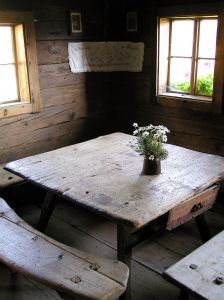
Old, beat up furniture is often thrown away and replaced years before it is truly unusable. This type of furniture is great for anyone looking to furnish a house or apartment on a budget. People replace furniture for a wide variety of reasons, and, in many cases, old furniture can be quite valuable. Antique furniture fits this model very well. The keys to transforming old home furnishings into new are preparation, creativity and hard work. With these three tools just about any piece of furniture can be made to look brand new.
Adequate preparation is important when starting any refurbishing process. For example, you should know which type of wood you are working with. Whether you are working with wood or metal, it is instrumental to the process that you closely investigate your furniture in search of any nicks or scratches in the piece. You should also look for stains, burns and other blemishes. It is also essential to know what kind of paint and finishing was used on the product. You should remove any wax that may exist on the piece of furniture. If you sand down the paint when it has a layer of wax over it, you will drive the wax deeper into the wood. Wax will also prevent new paint from taking hold. Check the surface closely for any laminate; this can also make the application of new paint difficult. Cleaning the item is important prior to, and often after stripping the paint. When all of these external layers are removed you will need to work on removing the paint. This can be done either with a chemical stripping agent, or with fine grain sandpaper. Refrain from using heavy grain papers, they will scratch the wood. It is also important to not use sanding-on lead based paint, as lead paint chips can be harmful. Similar actions are taken on metal furniture. The main difference is that any rust will need to be removed. When you have successfully removed the old coat of paint and prepared it for the new coat, creativity comes into play.
There are a wide range of options for painting wood or metal furniture. If you want an old, well worn look, you can buy paints that will actually peel away slightly on purpose. This effect works especially well when one paints a base coat in one color and a second coat in a complementary shade. When the second coat peels slightly it will reveal the base coat, and the two layers will complement one another giving your piece a stunning appearance. You can also find paints that will crackle and perform other similar effects to achieve this goal. Another option for creativity is using stencils. By combining stencil use, multiple coats and creative sanding of the wood, one can turn an old ratty television stand or garden bench into a work of art. It is important to remember in all of this that you are working with paint, not something permanent. If you make any mistakes you can always re-sand the patch you made a mistake on. The flexibility allowed with paint makes the potential for experimentation high, so take advantage of that freedom.
If you want to stain the furniture the process is a little more complicated. The main difference between staining and painting is that staining requires a little bit of extra care. It is easier to make mistakes, and there are a few fine details for staining that do not apply to painting. Be sure to discuss your options with somebody at a hardware store or paint supplier before you start. This will give you a clear idea of what you are getting into and what will work best with the furniture that you have.
Hard work is necessary to successfully refurbish an old piece of furniture. The process of refinishing furniture sounds simple on paper, and it is something that anybody can do. However, doing it well takes a great deal of work. For the most part, hand sanding will work the best. Small electric sanders are functional, but throughout your project there will likely need to be a number of small adjustments made in which an electric sander would be ineffective. Be ready to employ some elbow grease to make sanding work. A few of the ingredients of a successful project are research, creativity and hard work. A few other ways to ensure success is finding out the correct type of wood used, the proper kind of wood putty to fill scratches and cracks and the correct primer are all necessary for a successful project. If you put the effort into your project then the preparation and creativity will often take care of itself. Do all of these things, and in the end you will have a piece of furniture that looks brand new.
How To Paint Old Furniture
Accept this challenge: instead of throwing out that old chest of drawers from your child's room, think of a new use for it. Recycling furniture can be a lot of fun, plus it's a good way to get a new look at a fraction of the cost. If you are not happy with the finished product, start over or then give in to purchase a new furniture piece.
Think about that old chest of drawers. Is there a drawer that's broken? Maybe you can take out that drawer and create a shelf from the opening. Would it make a nice TV stand if it was just a little taller? Consider screwing finials that you can find in your local discount store onto the bottom to create “legs” or “feet.”
And never underestimate the power of a coat of paint! Old furniture gets a quick update when painted. If you like the shabby chic look, tatter the fresh paint job a bit by sanding around corners and other heavy use areas to create a worn look. If it's your first time to try this furniture painting technique, invest in an inexpensive kit that can be found at any retail discount store.
If you are really creative and not afraid to try new things with your old furniture, you can create some funky new accessories for your home. Use an old dresser as a sink basin for your bathroom. Use the headboard or footboard from a twin size bed as the back of a bench.
Giving your old furniture a new look does not always include creating a new function for it. For instance, drape and tuck fabric over an old sofa or love seat to give it a “slipcovered” look. Or, hot glue some fabric on top of the old rattan panels on the coffee table you've had for years. Trim it out by hot gluing some braided trim around the edges and you've created a new look for the table.
If your piece of furniture was painted but you'd like to give it a stained look, give it a try. Most woods are easily stripped of paint and stain can be applied in the color and intensity of your choice. Just follow the directions supplied by the stain manufacturer.
Give the lacquer-look furniture popular in past years an up to date look by using a combination of painting and staining. To get a brown leather look, brush your lacquer furniture lightly first with sand paper just enough to rough up the surface so the paint will adhere better. Then, use a red primer color spray paint on the furniture. Once the primer dries, use an oil-based brown stain and a plastic bag to create the leathery look. Working with a small area at a time, use a sponge “brush” to paint on the stain. Crinkle a plastic bag and open it up. Press the crinkled bag on top of the stain and sweep the bag quickly off the furniture. The motion will pull the stain around, creating the lines associated with leather. Kits are also available for this technique.
Both Nick Kakolowski & Bob Benson are contributors for EditorialToday. The above articles have been edited for relevancy and timeliness. All write-ups, reviews, tips and guides published by EditorialToday.com and its partners or affiliates are for informational purposes only. They should not be used for any legal or any other type of advice. We do not endorse any author, contributor, writer or article posted by our team.
Nick Kakolowski has sinced written about articles on various topics from Home Improvement, Vacation and Home Improvement. About Author:Nick Kakolowski is a freelance writer who writes about topics concerning home improvement and decorating, often focusing on specific topics such as. Nick Kakolowski's top article generates over 22200 views. to your Favourites.
Babies Allergic To Milk Always consult your doctor before using this information.This Article is nutritional in nature and is not to be construed as medical advice