Nothing enhances a dull room like a coat of paint. Whether you are brightening dingy walls by painting them white or adding a dramatic splash of color, paint is the least expensive way to make a noticeable decorative change in your home. If you are planning to paint a room soon, remember these handy tips and tricks to help you get the job done.
When you set out to paint, there is a lot of work to do before you get to the fun part of adding colors on the walls. The prep work can seem tedious, but you should never skip it, because if you prep your room correctly the painting will go faster and the end results will be much better.
Start your painting project by taking stock of what supplies you will need. If you are painting your room a dark color such as deep red or navy blue, you might need more paint than if you were painting the room white. These colors tend to soak into the walls and often need more than one coat to achieve the depth of the color on the paint sample. You will also need to purchase painter's tape, pans and rollers, or brushes and special tools or brushes to cut into the tight places next to the floor boards or ceiling. Don't forget a drop cloth for your floor. You might be tempted to use an old sheet, but this isn't really a great substitute for a real drop cloth because if you spill paint it can bleed right through a cloth sheet and ruin your carpet.
Once you have your basic tools, you can prep your walls. Clean them thoroughly with a solution such as TSP or Simple Green. This will take away any grease that has built up on the walls and might keep your paint from adhering well. Let the walls sit for a day after you clean them so that they are completely dry before you apply any paint. If the walls need to be sanded or there are repairs that need to be done, make sure you do that before you clean the walls, so that you eliminate any dust that might interfere with your paint. Once the walls are repaired and cleaned, tape off any areas that you don't want paint on. This includes, door jams, base boards, window sills, and electrical outlets and light switches. Remove the light switch and outlet covers before you tape them. Blue painters tape works best, because it comes off easy and doesn't remove the paint you just added to your walls. Once you have taped the room and covered the floor and furniture, you are ready to start.
Sometimes getting the painting started doesn't begin with the paint. Depending on the paint color you are planning to use a coat of primer can really help with the application of the paint. Using a coat of primer on the walls when you are planning to paint them red or purple can save you two or three coats when it comes time to put the color on the wall. There are even primers that are made special to blend with the color your walls will end up. Let your primer have a chance to dry before you paint. This usually doesn't take as long as regular paint and once it has set, you can move on to the fun part of the job, coloring the walls.
It can be very tempting to glop on a lot of paint in one open spot just to see what the color will look like when it is done, but avoid this temptation and paint in nice thin even strokes. When you glop a lot on, it is hard to even it out and often the initial test spot will always show up darker on the finished wall, so if you plan to do this, make sure you have a nice picture to hang up on the wall to cover the spot. If you are using a brush, catch any drips quickly so that they don't dry as bumpy streaks and if you are using a roller, roll the paint in many directions so there is no obvious stop and start marks in the paint once it dries.
Once you are done painting and you aren't planning to add anymore coats, it is a good idea to carefully remove the tape while the paint is still a little wet. Sometimes if you wait until the paint is dry pieces of paint can flake off with the tape. Wait a day or two before you move any furniture back into the room, just to make sure everything is completely dry
Painting Tips And Tricks
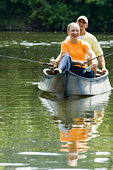
It's important to realize, though, that there are lots of different types of boat fishing, and each one has specialized boat requirements. You can do everything from dangle some bait on a string over the side of a canoe, right through to high-tech rods and a powerful cabin cruiser. It just needs to be seaworthy - the rest is up to you! But if you're keen to buy a boat, you need to do some homework first. It can be very confusing walking into a boat show or dealership and seeing so many choices. You need to think about what you're planning to do with the boat before you can decide which one to buy. Here are some popular boat fishing choices.
Freshwater Boats.
If you enjoy fishing in freshwater lakes, rivers or streams, then you don't need a massive boat. Instead, choose an aluminum or fiberglass boat. Make sure it's easy to transport and lightweight. Popular choices include bow riders, runabouts or walley boats, with either a small or dual console. These boats are fine for family freshwater boat fishing outings.
Offshore Saltwater Boats.
Fishing out on the open sea is the most common thing people think of when you mention boat fishing. Most people enjoy fishing offshore because they get the chance to catch huge fish and use heavy tackle. It's important to have a dependable, heavy boat for this type of fishing. You'll encounter plenty of different weather and situations on the open sea, so you need to be able to rely on your boat. You can choose twin or single outboard motors, and you definitely need a cuddy cabin or a center console. If you want to spend a bit more, you can start to look at the more luxurious boats, including a bluewater or convertible with luxury quarters, and maybe even an elegant living area. Bigger boats generally have powerful inboard diesel engines as standard.
Inshore Saltwater Boats.
If your tastes run to tarpin, snook, trout, bonefish or redfish, then you will want a boat suitable for inshore saltwater fishing. It's best to have a light boat that is smaller than a 25-footer. All you need is a single outboard motor. You're likely to be in shallow water at least some of the time, so something like a flat or baby boat works well. These have a spacious deck you can use for casting, and are still float well in shallow water.
Bass Boats.
This type of boat is generally suitable for tournament and sport fishing. They're colorful, fast, and ride low in the water. It's preferable if the bass boat has a trolling motor mounted on the bow. Generally they have a platform at both the bow and stern ends, which makes casting much easier. You can choose from aluminum or fiberglass.
Float Tubes.
These don't really qualify as boats, but fly anglers find them very handy for fishing in mountain streams, ponds and lakes. A float tube is simply a flotation device containing a seat. The angler is partially submerged when seated in the float tube, and uses fins on his feet to navigate around on the water. They're tricky to handle, and fly-casting requires lots of practice. You can choose between round float tubes, which are similar to an inner tube, and pontoon float tubes, which have an air chamber either side of the fisherman. The pontoons are slightly eiasier to maneuver, as their v-shaped design reduces the amount of water resistance.
It's always a good idea to speak to experienced anglers who either have their own boat or use one regularly. They can give you lots of help in deciding which type of boat is right for you. Read magazines, guides, and talk to your local boat charter service. Fishermen generally love to talk about boats, and you can learn a lot to help you select the perfect fishing boat for your needs.
Both Daniel Smith & Stephen Dolan are contributors for EditorialToday. The above articles have been edited for relevancy and timeliness. All write-ups, reviews, tips and guides published by EditorialToday.com and its partners or affiliates are for informational purposes only. They should not be used for any legal or any other type of advice. We do not endorse any author, contributor, writer or article posted by our team.
Stephen Dolan has sinced written about articles on various topics from Acupuncture Chiropractor, Gardening and Ideas for Remodeling. Steve Dolan is an experienced and keen fisherman, who enjoys the outdoors almost as much as catching the fish! Click on to find mo. Stephen Dolan's top article generates over 40500 views. to your Favourites.
Cat Supplies Free Shipping There are many lucrative offers to be found, too. You can sometimes save as much as 50 when you buy from these suppliers. Youll find these bargains at their many retail outlets