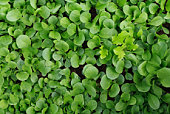
Consider your climate first and foremost. Know the conditions necessary for the type of vegetables you plant, so be sure to understand how these plants will be influenced by tropical, temperate, or cold weather. Within these broad categories there are several sub-types. The range of climates in the U.S., for example, runs across a dozen zones. You should not plant tomatoes - a heat-loving vegetable - when you can anticipate a frost after winter's end.
On the other hand, beans, broccoli, cauliflower, onions and more grow well when in cooler climates. They like 50F-68F (10C-20C) weather and will tolerate frost fairly well. Cabbage, carrots, lettuce and others will prefer slightly warmer temperatures, about 60F-75F (15C-25C). Tomatoes, corn, eggplant and potatoes prefer it hot.
Next, consider the total area and location of your planned vegetable garden. A family of four might do well with a 100 square meters, but that's far more than a novice gardener will want to care for at first. Beyond size, think of the specific needs and nature of each plant. Corn grows tall, so it will produce shade. But you don't want that shade to block sun desired by those tomatoes.
Location
Next, consider the total area and location of your planned vegetable garden. A family of four might do well with a 100 square meters, but that's far more than a novice gardener will want to care for at first. Beyond size, think of the specific needs and nature of each plant. Corn grows tall, so it will produce shade. But you don't want that shade to block sun desired by those tomatoes.
When considering the location, think about what you might have to do to protect the vegetable plants from excessive shade and wind. Some places are shaded naturally, and perhaps too much so.
Vegetables like sunlight. At least five hours per day is needed by most. You'll be able to tell they aren't getting enough if your vegetables are far below average size, if the leaves are wimpy looking and by other signs. Plant the taller vegetables, like corn, to the north of the shorter ones. Plants low to the ground, like lettuce, need to be nearer the south edge.
Water
Give your vegetables plenty of water. Unlike herbs and some other plants, vegetables need lots of water to grow. They'll need good drainage in sandy loam in order to avoid root rot. But beyond that, the more water, the better. Watering the base and roots is more important than keeping the leaves wet. A drip system can provide the perfect solution here.
Be prepared to do what the pros do and rotate your crops from year to year. Different plants take different things from the soil in varying quantities. Some of that can be replaced with compost, fertilizer and other soil treatments. But help out by changing your design once in a while.
Planning A Vegetable Garden
You can challenge your creative side by laying out your vegetable garden so that your space looks great. Whether you have a huge area for a vegetable garden, a small area, or just a deck or patio by being creative you can use your space optimally. There is nothing more satisfying than growing your own vegetables in your own vegetable garden without the use of pesticides or chemicals, keeping you and your family that much healthier.
Planting a vegetable garden will promote good health and give you some nice gentle exercise. By planting and tending to your garden you control what you eat as well as how it is grown plus it just doesn't getting any fresher than this.
Even apartment or flat dwellers can produce a nice size vegetable garden on their balconies. Most developments will allow flower box size gardens just pay attention to the weight. Remember a vegetable garden box 15cm(6") wide by 60cm(24") can weigh as much as 27Kg(60lbs) when wet from the rain so you do not want to hang it over the balcony for fear of it breaking loose and falling. Instead, secure it to the top of the ledge or on the balcony floor. You can also invest in brackets that will take the weight. That way you don't have to worry about anyone getting hurt below if it falls.
Planting a vegetable garden outside will give you more exercise than you might realise and the good news is that it's a nice gentle exercise so just about anyone can do it. All that planting, raking, pulling weeds, and watering so that your plants grow and produce delicious vegetables from your vegetable garden, provides you with an excellent low impact workout.
Starting a vegetable garden can be a little tougher and produce a little more exercise - but hey!... that`s not a bad thing - is it?. You will need to prepare the soil for planting. Besides removing weeds and debris from your vegetable garden to be, you may need to have top soil or fertiliser brought in depending on the condition of the soil. Working the soil can give you quite a work out but you want it to be in optimum condition so that your vegetable garden is as healthy as possible.
You may need to frame your garden space so that the soil stays contained within your vegetable garden area and is easy to work on. If you are going to use a wood frame, do not use wood that has been treated with anything that can contaminate the soil. Framing your vegetable garden beds will also increase the depth of the soil giving better growing conditions for your plants.
When the soil is ready it's time to start to plant out your vegetable garden. You will need to decide whether you want to use young vegetable plants or seeds. There are pros and cons to each. Young vegetable plants cost more but they give you the edge to get your plants rooted and growing. Seeds are cheaper but they may not all come up. Both are healthy so it's really a personal choice.
Deciding to grow your own vegetables in your own vegetable garden is one of the smartest things you will ever do for you and your family. Not only are you going to get to enjoy some sunshine and thus get your vitamin D, you'll get some exercise which these days we all can use a little more, and you are going to be feeding your family a lot healthier.
You'll be feeding your family fresher fruits and vegetables that you get to control. You decide what fertilisers and pesticides are okay to use on your vegetable garden or whether you are going to do the smart thing and use natural products that will keep your family even healthier.
These days when we buy fresh vegetables at our grocery store or supermarket they often aren't that fresh after spending days travelling. On top of that, too often they are picked too early which reduces the amount of nutrients you get. With your own vegetable garden, it just can't get any fresher and there is no need to pick early. There's nothing like a fresh salad or a tomato picked right off the vine.
Planting a vegetable garden is going to give you good health in more ways than one - you will get a little exercise, excellent nutrition, chemical free vegetables, and you can spend a little time outdoors soaking up the nutrients the sun has to offer.
Both Dave Truman & Laurence Ireland are contributors for EditorialToday. The above articles have been edited for relevancy and timeliness. All write-ups, reviews, tips and guides published by EditorialToday.com and its partners or affiliates are for informational purposes only. They should not be used for any legal or any other type of advice. We do not endorse any author, contributor, writer or article posted by our team.
Dave Truman has sinced written about articles on various topics from Greenhouse Garden, Vegetable Garden and Gardening. Looking for more suggestions for your ? Visit the Vegetable Gardeners website for lots more helpful tips & ideas for growin. Dave Truman's top article generates over 22200 views. to your Favourites.
Laurence Ireland has sinced written about articles on various topics from Vegetable Garden. . Laurence Ireland's top article generates over 2900 views. to your Favourites.
B2b Internet Advertising Agency With a B2B exchange agency, you might wake up one day with a smile on your face your 1,000 check is right at your doorstep