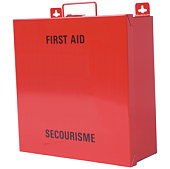
When creating a first aid kit for sports players, determine what the primary needs could be. Customize your kit to fit the sport's first aid needs. What types of injuries are likely to occur, and what supplies might be needed? Perhaps bandages for cuts, ice packs for pain and swelling, and sunscreen for sunburn.
Here are some suggested supplies to include in a sports first aid kit:
Include a first aid guide or manual.
General first aid supplies include: Antiseptic wipes, tweezers, a needle, thermometer, safety pins, Flashlight, disposable gloves, a CPR mouthpiece, a blanket, tissues, matches and scissors.
For pain and swelling, include cold packs and Ibuprofen.
For cuts, scrapes and blisters: Different sized bandages, sterile gauze, adhesive tape, antiseptic solution and non-stick gauze pads.
Sun protection and heat exhaustion can be treated with a misting water bottle, cold packs, sunscreen, lip balm, and Aloe Vera lotion.
For sprains, fractures or pulled muscles, include Neoprene joint braces, compression bandages/ice wraps and cold packs. Also include two triangle-shaped pieces of cloth to act as a sling or tourniquet.
Include calamine lotion, epinephrine (for bee stings) and Antihistamine tablets for general allergies.
In the case of serious injuries, be sure to have a cell phone with emergency phone numbers, a whistle, maps and directions to nearest medical facility.
While you may not actually include this in your kit, be sure that you prepare for dehydration with water bottles or sport drinks.
Assemble your supplies and customize your sports first aid kit for your particular needs. Use a large, insulated tote to carry your supplies. An insulated tote will keep pre-frozen ice packs cold for several hours.
Note: This information is not intended as a substitute for professional medical information. Always seek medical assistance in the event of a serious injury.
Sports First Aid Kits
American Sports Data, Inc. estimates:
- 50.6 million people over the age of 6 exercise frequently, participating in single activities (running, cycling, treadmill)
- 39.9 million participate in recreational sports (basketball, tennis, softball)
- 15.3 million people are active outdoors (hiking, mountain biking, skiing)
- 3.2 million players are registered with the U.S. Youth Soccer Association
If you pound the pavement, swing the club, or bat the ball, there is always the chance for injury. Is your family prepared with a sports first aid kit that meets your needs? Many commercially packaged first aid kits contain basic supplies. Sure, they might offer limited help for simple emergencies. But is your first aid kit prepared to handle your child's rugby injuries or treat a sprained ankle on the soccer field? How about your knee pain after a marathon?
The answer is to create your own customized kit that fits your family's sports first aid needs. Chances are you already have many of the necessary supplies on hand. Here's how you get started.
1. Evaluate your needs by the type of sports your family participates in. Is there the likelihood of bumps, cuts, and bruising that might occur in contact team sports? Or are overuse injuries more prevalent such as runner's knee, golfer's tendonitis, or tennis elbow?
2. Decide what supplies best fit the type of injuries you have described, such as bandages and ointment for cuts; ice pack for pain and swelling; sunscreen for sun burn.
3. Find a roomy, insulated tote to carry your supplies. Why an insulated carrier rather than one of those little, plastic boxes that most first aid kits come in? Because you need to carry at least one, preferably two frozen, reusable ice packs in your sports first aid kit. Most kits only contain an instant, one-time-use, chemical ice pack. This is usually not sufficient to numb pain or reduce swelling. The best and most effective treatment for many injuries is to immediately apply a frozen ice pack for several 15 to 20 minute sessions. This will help lessen pain, reduce swelling and treat bruising. And an insulated tote will keep your ice packs cold for several hours.
Here is a list of suggested supplies to include in your family's sports first aid kit:
Information: First aid guide or manual
General: Matches, Scissors, Travel Toilet Paper, Anti-diarrheal, Antiseptic wipes, Tweezers, Needle (for splinters), Thermometer, Safety pins, Flashlight, Disposable gloves, Mouthpiece (in case of using CPR), Blanket, Plastic Zip-lock bags (to keep supplies dry), Tissues
Emergencies: Cell phone, Whistle, Personal alarm, Pepper spray, Emergency phone numbers, Maps (with directions to nearest first aid)
Pain and Swelling: Cold pack, Ibuprofen
For cuts, scrapes, blisters: Bandages of different sizes, Antibiotic cream or hydrocortisone cream, Mole skin dressing kit, Sterile gauze, Adhesive tape, Antiseptic solution, Non-stick gauze pads
Sun protection/heat exhaustion: Misting water bottle, Cold pack, Sunscreen, Lip balm, Aloe Vera lotion
Fractures, strains, sprains, pulled muscles: Neoprene joint braces, Compression bandage/ice wrap, Cold pack, Two triangle shaped pieces of cloth for a sling or tourniquet
Assemble your supplies and customize your family sports first aid kit for each event or outing.
Disclaimer: This information is not intended as a substitute for professional medical treatment or consultation. Always consult with your physician in the event of a serious injury.
Both Vinci Pro & Louise Roach are contributors for EditorialToday. The above articles have been edited for relevancy and timeliness. All write-ups, reviews, tips and guides published by EditorialToday.com and its partners or affiliates are for informational purposes only. They should not be used for any legal or any other type of advice. We do not endorse any author, contributor, writer or article posted by our team.
Vinci Pro has sinced written about articles on various topics from . All Vinci Pro are designed to provide a better feel, with the leather conforming to your hand as you play. Our batting gloves look sharp a. Vinci Pro's top article generates over 2400 views. to your Favourites.
Louise Roach has sinced written about articles on various topics from . . Louise Roach's top article generates over 2400 views. to your Favourites.
Detox Your Body With Make sure, therefore, that your have the real thing, and apart from any specific health considerations associated with eating raw fish, you are best advised to take it as a supplement to help Detox ...