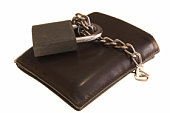
We don't like to think about terminal illness or death. The thought of our loved ones being forced to suffer our passing is so painful that many of us put off the unpleasant duty of setting our affairs in order. Many stay-at-home moms never even think about the possibility of meeting with an accident or becoming ill.
The only thing worse than leaving your family, however, is leaving them unprepared. Making a plan to cover the worst case scenario isn't morbid; it's the right and loving thing to do. The odds are against such a plan ever being implemented, but in case of disaster it could prove the greatest gift you could give those you leave behind.
Insurance
A good life insurance policy ensures that your family will not be burdened with the costs of a funeral and burial in the event of your unexpected death. Term life insurance for stay-at-home moms is normally very low. You can probably take out an adequate policy with a premium of less than 50 cents per day.
This will cover your death expenses as well as providing money for your family to live on while they recover and decent childcare for when your husband has to return to work. There is really no excuse for not having at least a minimum amount of term life insurance.
Insure your husband as well, in case something were to happen to him; you will need to pay off your debts and house loan and afford to live while you plan out what to do. Make each other beneficiaries, and name a trusted third party to administrate the estate for your children in case the worst should happen and both of you were deceased.
Guardianship
If you and your husband were both gone, who would you want to raise your children? This doesn't have to be the same person who administers their estate; in fact, in some cases it is better to separate the two aspects.
You and your husband should decide upon prospective guardians, and meet with them to convey your wishes. Plan to revisit your decision as your children grow and their needs change. The best guardians for a three and five year old might not be the best pick ten years later with two teens to handle.
Living Wills
This is a difficult subject for most families, and in case the very worse happens you need to be perfectly clear on what actions should be taken to prolong your life. It is almost impossible for a family member in shock and grief to make rational decisions, and your forethought can save them untold anguish if you clearly state your wishes.
If you do not wish for your life to be prolonged through artificial means, and if you want your organs donated in case of a brain dead state then you need to have very clear instructions available to save your loved ones from agonizing over these decisions.
None of these subjects are comfortable to think about, but the alternative is worse. Hopefully all your careful planning will be completely unnecessary and the paperwork will sit undisturbed in a safe deposit box until it is obsolete, but it never hurts to prepare for every eventuality - and it is truly the responsible thing for every stay at home mom to do.
Stay At Home Mum
Managing your finances well is one of the big keys to coping with a tight budget. You have to be very aware of where your money is going - a good habit even if your budget isn't all that tight.
A very popular way to cope with money issues is to use envelopes, and pay cash for as many things as possible. While rent/mortgage and other bills may need to be paid by check, grocery shopping and other things may be better off paid in cash. This money is generally separated into an envelope for each purpose.
Paying in cash accomplishes a couple things. First of all, if you have cash, you can't go over budget. You become very aware of how much money you are carrying. Second, it makes the money more real to a lot of people. Paying by check or credit card, it's easy to ignore what you've just spent. With cash, you KNOW.
So how do you decide how much goes into the envelopes?
First you need to figure out all the bills. That's rent/mortgage, utilities, insurance, credit card or other debt payments, etc. Subtract this amount from your available income.
Now start figuring out how much money you need for each envelope. You should have envelopes for groceries, gas for the car(s), eating out, medical, or whatever your particular needs are. This will vary from family to family of course, and depends on your needs.
Yes, if you are going to do fun things like eat out, you should budget for it. Don't let those little extras completely ruin your budget. If everything has been planned out, then you decide to do something that wasn't budgeted, you can ruin your careful planning. It's much better to admit that you will do some fun things and figure out what you can spend on that.
It may take a bit of time to properly balance your envelopes so that you aren't struggling to keep your spending within what you put in each. It will also be necessary to regularly review what should go into each. Just think of how much gas prices have changed in recent years!
One way to figure out how much money you need for everything is to review what you have been spending. If, like most people, you don't have receipts for everything you've bought for at least the past 1-2 months, take a month and track your spending, every penny of it. Don't try to limit it more than you are planning on doing once you're using the envelopes. You need a realistic estimate.
Some envelopes should be preplanning envelopes. Just think about the various budget-breakers that come up all too often, such as medical bills and car repairs. If you're setting aside a little bit for them, they make less of an impact when they happen.
If you get good at this type of budgeting, you gain a lot of control over your money issues. It's really amazing what being aware of exactly where your money is going can do for you.
Both Rayven Perkins & Stephanie Foster are contributors for EditorialToday. The above articles have been edited for relevancy and timeliness. All write-ups, reviews, tips and guides published by EditorialToday.com and its partners or affiliates are for informational purposes only. They should not be used for any legal or any other type of advice. We do not endorse any author, contributor, writer or article posted by our team.
Best Air Purifier For Allergies Finally, never buy an air purifier that is too small for the space where you want to purify the air. Make sure the purpose matches the power