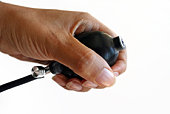
What is high blood pressure and why should anyone worry about it? Blood pressure is the force of blood pushing against the walls of the arteries as the heart pumps out blood. If this pressure increases and stays high over time, it will damage the body in many ways. High blood pressure is a serious condition that can lead to coronary heart disease, heart failure, stroke, kidney failure, and many other serious health problems.
There are many other factors that contribute to an individual's risk of high blood pressure. These risks factors include age, ethnicity, gander, family history, smoking, activity level, diet, medication and street drugs, and kidney problems. Many diseases have important risk factors, and high blood pressure is no exception. These “risk factors” will ultimately increase the odds of developing HPB.
Knowing your blood pressure numbers is very important because even when you're feeling fine, your body can be causing damage to itself. You can be a calm, relaxed person and still have high blood pressure. If your blood pressure is high then you may need to seek treatment to prevent damage to your internal organs. If your BP is normal you should still work to keep it low.
Blood pressure numbers contain systolic and diastolic pressures. Systolic blood pressure is the pressure when the heart beats while pumping blood. Diastolic blood pressure is the pressure when the heart is at rest between beats. You will most often find blood pressure numbers written with the systolic number above or before the diastolic number, such as 120/80 mmHg. Blood pressure below 120 over 80 mmHg is considered optimal for adults. A systolic pressure of 120 to 139 mmHg or a diastolic pressure of 80 to 89 mmHg is considered "prehypertension" and needs to be watched carefully. A blood pressure reading of 140 over 90 or higher is considered elevated.
High blood pressure usually has no symptoms. In fact, many people have high blood pressure for years without knowing it. That's why it's called the "silent killer." Hypertension is the medical term for high blood pressure. It doesn't refer to being tense, nervous or hyperactive. A single elevated blood pressure reading doesn't mean you have high blood pressure, but it's a sign that further observation is required. Ask your doctor how often to check it or have it checked. Certain diseases, such as kidney disease, can cause high blood pressure. In 90 to 95 percent of cases, the cause of high blood pressure is unknown.
The only way to find out if you have high blood pressure is to have your blood pressure checked. Your doctor or other qualified health professional should check your blood pressure at least once every two years, or more often if necessary.
If you think you may be suffering from HPB try Blood Pressure Formulation Combo by Bell Lifestyles. Dr. Hammoud has a vast experience in this field and recommends new fish peptide as the most important component. The other ingredients are also playing an important role in helping to regain a satisfactory blood pressure.
What Is Your Blood Pressure
Getting an accurate evaluation of your blood pressure can be tricky. Blood pressure can vary in some people over a wide range during a typical day without their awareness. Therefore, a single measurement taken randomly may not tell the whole story. Many factors can influence variations, but an important factor is stress. Since most occupations involve job stress, measurements taken at work may provide a more realistic appraisal of true blood pressure. Statistical analysis of several measurements can also be helpful. Such factors as the median blood pressure, average blood pressure, and standard deviation of the measurements can assist your physician in evaluating your true blood pressure during every day activities, not just in the doctor's office. Home measurements coupled with your physician's in-office measurements will provide a more-rounded evaluation.
When you consider the importance of your family's heart health, you should be aware of all of your family's average blood pressure, variation, and range. An occasional random measurement is not enough information for an accurate result. A clearer picture of true blood pressure requires several Measurements at various times of day. However, if these measurements are taken only early in the morning before setting off to work, in the evening, or on weekends when people tend to be more relaxed, actual blood pressure may be higher than these measurements suggest. Without measurements during the higher-stress periods one would not be aware of their peak blood pressure and true average.
It is more beneficial to know your family members? blood pressure profiles over a span of hourly periods and over several days based on a sufficient number of measurements to provide a statistically accurate average that reflects the higher-stress times of day. This information would be useful for determining whether to consult with a physician or pediatrician for further testing and a professional diagnosis. The physician could then recommend life-style changes, dietary modifications, or weight loss, all of which can positively contribute to lowering blood pressure. In many cases, depending on the degree of elevated blood pressure, the physician may also prescribe medication to lower blood pressure.
There are several ways to take blood pressure measurements. Random reading can be taken at a local pharmacy blood pressure stations, available at most. You can also purchase an inexpensive wrist, finger, or arm-cuff monitor for your family at most pharmacies, medical supply stores, electronic stores, discount stores, or on the Internet. Many are available for $40 or less. These units provide a convenient and compact way to take frequent measurements at home and at work.
Keeping a record of these measurements and analyzing them for low, average, median, high readings, and trends can provide more insight into your personal variations or "profile". The record will also provide your physician with real-life data between office visits and can measure progress during treatment for high blood pressure.
Don't rely on a few random measurements to assess your family's blood pressure. The health of ones cardiovascular system, kidneys, and eyes (vision) can be harmed by undetected elevated blood pressure. High blood pressure untreated can also lead to heart attacks and strokes.
Both Steven A Johnson & Arthur Lewis are contributors for EditorialToday. The above articles have been edited for relevancy and timeliness. All write-ups, reviews, tips and guides published by EditorialToday.com and its partners or affiliates are for informational purposes only. They should not be used for any legal or any other type of advice. We do not endorse any author, contributor, writer or article posted by our team.
Steven A Johnson has sinced written about articles on various topics from Hoodia, Fibromyalgia and Osteoporosis. Steven Johnson is interested in maintaining a vital and healthy lifestyle. For more information on various health products and other life-enhancing nutrients please visit his website. Steven A Johnson's top article generates over 110000 views. to your Favourites.
Arthur Lewis has sinced written about articles on various topics from Blood Pressure. The Blood Pressure Profiler tracking software was developed by Arthur ("Art") Lewis, an engineer and manager in the manufacturing and telecommunications industry for 29 years and graduate of Harvard Graduate School of Business Administration (PMD-18, Dec.. Arthur Lewis's top article generates over 480 views. to your Favourites.
Back Pain Breast Reduction There is a dire need to educate sufferers, insurance companies and medical practitioners in understanding that breast largeness is a medical condition and can be and needs to be rectified if the suff...