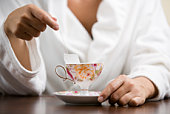
Being pregnant is a wonderful thing, though you most likely have to watch your diet and what you drink. If you are an ardent tea lover, you would have to find an alternative beverage or one that is safe for you and your baby. Don't worry now. You're not the first mother-to-be who has worried about this. Many have found alternatives which are safe for them and their unborn child!
Tea is the second most widely consumed beverage in the world after water. With 5 out of 6 North Americans drinking tea and the English who average drinking 3.5 to 4.0 cups of tea a day, alternatives to an every day tea had to be found. And since half of the world's population drinks tea, that didn't leave much choice to the tea companies! Also, as an expectant mother, you would want to make sure that you still got the medicinal benefits of tea although you are carrying a precious little one.
Here are some of the most common questions answered:
What teas, if any, can I drink during these 9 months?
Your best bet would be Rooibos tea. This is because it contains no caffeine right from the point when it's harvested. Since caffeine is something which you need to keep an eye on during this special time, rooibos tea is your best bet. It is known to be safe for both pregnant, lactating women, and children of all ages.
Decaffeinated teas are also available on the market.
Is it safe for me to drink herbal teas during these 9 months? And how can I tell which herbal teas are safe for me to drink?
Usually, pregnant women carefully avoid caffeine, alcohol, nicotine, and unnecessary medications but think that drinking herbal teas is okay. It's not. Herbal teas can be harmful, especially if you drink too much of them. Most of the ingredients in herbal teas are safe, but some are not. Herbs are drugs and thus can be as potent as some medications. Also, only a few of the herbs used for herbal teas have been studied on pregnant women. Hence, it is not 100% sure which of these herbs are safe and which are not.
There are no U.S. regulations which specifically address herbal teas. Most of the herbs the Food and Drug Administration (FDA) considers safe for food use are presumed safe for teas as well. For example, teas made from ginger, lime blossom, peppermint, roasted barley, rose hips, and thyme are probably safe to drink occasionally in small amounts while you're pregnant or nursing. (Check with your doctor beforehand.) However, drinking excessive amounts of any teas can cause health problems for you and your developing baby.
Which teas are not safe?
Many of the herbs used for teas, when taken in large or medicinal amounts, can potentially stimulate the uterus and induce miscarriage. These include anise, catnip, chamomile, comfrey, ephedra (also known as ma huang in traditional Chinese
Although some midwives use raspberry leaf (also known as red raspberry leaf) to aid delivery, its effectiveness hasn't been proven. In any case, it should be used only under the supervision of a healthcare professional. Avoid the rest of the herbs in this list during pregnancy and lactation.
Note:You can still eat food that contains herbs like rosemary and sage, because the amounts used in food are generally much smaller than those used in tea - and not as potent (the brewing process for making tea concentrates the chemicals of the herbs). As usual, check with your doctor beforehand.
Among other reasons to avoid certain herbs used in teas:
Coca (also known as mate de coca) contains small amounts of cocaine.
Comfrey, kava root, skullcap, valerian, and woodruff may damage your liver.
Lobelia contains nicotine.
Mate (or yerba mate) can contain as much caffeine as coffee.
None of these herbs should be taken while you're pregnant or nursing.
What about the herbal teas that are marketed for pregnant women?
The same cautions apply to teas that are said to be safe for pregnant women, which are sold in supermarkets and health food stores. While the makers of pregnancy teas promote their products as healthy for expectant moms, no clinical studies support these claims and the safety of the ingredients are not regulated.
Pregnancy teas usually include ingredients such as alfalfa, fennel seed, lemongrass leaf, lemon verbena, nettle leaf, rosehips, and strawberry leaf. Not all of these are safe to take during pregnancy. For example, nettle leaf (also known as stinging nettle leaf), which stimulates the uterus and can cause miscarriage, and fennel (including the fruit, seed, and oil) should not be used in tea during pregnancy and lactation due to its potential estrogen-like effects.
Once again, check with your doctor before you think about drinking a tea, even one that is said to be safe for pregnant women. You never can be too careful!
How can I choose a safe herbal tea?
If you enjoy herbal teas, check the packaging labels and steer clear of unsafe or unfamiliar ingredients. Your doctor may be able to recommend certain teas which you could drink. Do not mix your own herbs to create a herbal tea which you think is safe. Once again, we warn you to NOT mix your own herbs.
Disclaimer:Information on this site is provided for informational purposes and is not meant to substitute for the advice provided by your own physician or dietitian. Information and statements have not been evaluated by the Food and Drug Administration and are not intended to diagnose, treat, cure, or prevent any disease.
Audrey Coriou has sinced written about articles on various topics from Pregnancy Problems. As the author of this article, I am proud to say that I am a lover of tea and chocolate. Whether you prefer tea to or chocolate to te. Audrey Coriou's top article generates over 1000 views. to your Favourites.
Atlas Model Railroad Co You should make the most of it now purely because others did not have it and so did not have the same amazing opportunities that we have!