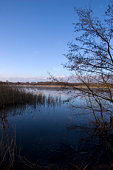
Its success as a tourism destination over the last 100 years can be attributed to its spectacular natural landscape, which was formed over many centuries by human and natural geographical processes. This unique environment has been internationally recognised and has recently become the only wetland area in the UK to be granted National Park status.
The unique landscape of The Norfolk Broads, a series of interconnecting rivers and lakes and fenland areas, was once thought to be a natural feature of the landscape. But in the 1950's Dr J M Lambert discovered that the Broads, which are the small shallow lakes that are connected by the rivers, were man-made.
The most popular holiday pastime on the Broads is sailing ? with great opportunities for both experienced sailors and complete novices; The Broads has over 40 inland water-filled lakes and is connected by 200km of rivers that provide the perfect conditions for wind or motor powered boats. The other major addition to a Broads-based boating experience is that there aren't any locks, so all your time on board can be spent sailing, rather than queuing.
Alongside the boating, the Broads has a range of great attractions. Highlights include the Horsey Windpump, which is owned by the National Trust, and has been fully restored. The pump has fantastic views across Horsey Mere. The area also has The Museum of The Broads where visitors can discover the unique history of the landscape and its people.
If you are looking to tour the countryside around The Norfolk Broads then the area is home to many charming towns and villages with traditionally thatched cottages, village greens and churches.
These local towns and villages include Wroxham, the self-styled capital of the Broads, with a good range of shops and amenities, the small village of Woodbastwick with its flint built church and award-winning brewery and Ranworth where the local church has a spire than enables visitors to get a unique view of The Norfolk Broads from the area's highest point.
To make the most of the natural environment off the water, the best way to see the Broads is by using one of the many walks or cycle routes that cross the park.
The area has a great range of short nature trails or circular walks focused around the towns and villages, while serious walkers can take advantage of The Wherryman's Way along the River Yare, or Angles Way which follows the Norfolk and Suffolk border round the southern half of the Broads.
Bikes can be hired from centres all over the Broads with some good local routes that include the Bure Valley Cycle Path and Weaver's Way. You can pick up more information about these routes at the local tourist information centres
Whatever the kind of holiday you enjoy the Broads National Park has something for everyone.
Holidays On The Norfolk Broads
The Norfolk Broads consist of over 200 miles of navigable rivers, lakes and man-made waterways. Its formation was long thought to be the result of glacial activity during the ice age. However, it has since been discovered that the landscape was actually formed by medieval excavations for peat and turf.
Farming and fishing dominated the Norfolk Broads during the 16th century with the waterways playing an integral role in the transportation of goods. Drainage windmills were introduced to encourage cattle grazing and the local economy flourished, as marshmen tended the land and maintained the water levels and dykes. During the 19th century the introduction of the railways heralded a boom in tourism as trains brought city dwellers to The Broads who were keen on escaping the harshness of city life. Traditionally used for trade, Wherrys became the most popular mode of travel on the waterways and they were soon built for pleasure rather than trade. But the Second World War brought about an agricultural revival as all the available was used for the war effort. This renaissance in Norfolk’s farming economy would last through to the 50’s and 60’s as Government funding was made available for new tools and equipment.
It became clear during the 1970s that measures needed to be taken in order to protect Norfolk’s heritage - the ravages of the weather and the onslaught of tourists was beginning to take its toll. As a result over 5000 buildings became listed and large swathes of land protected. The Norfolk Broads is now the largest protected wetland in the United Kingdom. Rare insect species such as the Norfolk Hawker dragonfly thrive, while birds such as the Kingfisher and Greylag attract birdwatchers from far and wide. The natural splendour of the region is made more accessible by paths such as the Hoveton Great Broad Trail. Nature reserves like the Wildlife Centre at Ranworth Broad vividly exhibit the rich variety of wildlife that inhabits the area.
The waterways that criss-cross East Anglia still remain very popular amongst pleasure-seekers and water-sports enthusiasts. Altogether there are 30 Broads, threaded together by the River Bure and its tributaries. Other rivers such as the Wensey and Waveny offer some attractive, picturesque routes through the countryside and feed into Breydon Water - for long stretches, these waterways are actually set below the level of the surrounding countryside.
Towns such as Wroxham and Beccles seem to epitomise the character of the region. The old town of Beccles for example is a notable attraction and is dominated by a 97ft bell tower that dates back to the 14th century. The busy resort town of Great Yarmouth is a particularly popular destination with tourists, its piers and fairgrounds contrasting sharply with the wooded tranquility of nearby Horning.
The combination of natural beauty and human ingenuity make the Norfolk Broads one of the most intriguing, enchanting regions in the United Kingdom. Despite its popularity with tourists, people dedicated to the preservation of this wonderful region ensure that the influx of visitors does not have a detrimental effect on the natural surroundings and as a result Norfolk, like some of the best holiday regions, has something to offer everyone.
Both Peter Joyner & John Dale are contributors for EditorialToday. The above articles have been edited for relevancy and timeliness. All write-ups, reviews, tips and guides published by EditorialToday.com and its partners or affiliates are for informational purposes only. They should not be used for any legal or any other type of advice. We do not endorse any author, contributor, writer or article posted by our team.
John Dale has sinced written about articles on various topics from London Travel, Van Insurance and Mortgage Insurance. John Dale travels extensively in the United Kingdom. Many of his accounts can be found on his site which has a section providing details about. John Dale's top article generates over 90500 views. to your Favourites.
Auditioning For The Musical And when youre done, give a little bow and walk off the stage with confidence.Good luck! With a smile and a song in your heart, youll do well!