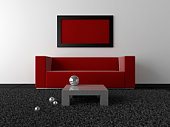
Creating a beautiful space, whether inside your home or place of work is not merely decorating and rearranging the furniture, it is about making maximum use of the available space to create the desired appearance, atmosphere and mood. To get it right, there has to be harmony between the colours, the lighting, the fixtures and fittings, the fabrics, the texture the patterns and of course the furniture. Together they create an overall impression, which if done well can be breathtakingly beautiful as well as functional and comfortable, but without careful thought and planning, the results can be simply disastrous.
Leather
Naturally in any home or business, the type of furniture you choose is important. One thing you cannot really go wrong with is leather sofas and chairs. Not only do they add a touch of luxury and sophistication to any room and can fit in with any theme, there are countless different styles to choose from and so there is bound to be something to suit you regardless of your taste. There are also different types of leather to choose from and the following represents a brief description of some of the most popular.
? Semi aniline leather - this type of leather has a fine protective pigmented coating making it one of the easiest types of leather to clean. It has a two tone colour effect to imitate the properties of full aniline leather.
? Full aniline leather - this is leather that has had very little processing so has a natural finish and is softer and more delicate than other types of leather, however it can also stain more easily. It can also fade in sunlight so shouldn't be placed in position where it will be exposed to direct sunlight.
? Distressed Leather - this type has a rugged, antique look to it although it still retains its natural markings and is hard wearing leather.
? Suede - suede is leather that has the surface worn away to produce a velvet like feel to it.
Altogether, leather is a practical material that is hardwearing, it is also easy to clean with the right materials and more importantly, extremely comfortable and attractive so leather sofas and chairs are a worthwhile investment for any room because if looked after well, they can last you a lifetime.
Fabrics
Different fabrics can help create the mood you want and can make or break a room. Popular fabrics include cotton, silk, linen and wool, but there are countless other fabrics to choose from. Texture is important as the feel of any material combined with how it looks will contribute to the overall atmosphere in a room. Silk pillows for example, can look and feel amazing in the bedroom and they can create a mood of sensuality, romance and elegance.
Cotton table cloths work very well with a country cottage theme. Deep pile pale coloured carpets that you can sink your feet into set off with luxurious matching curtains can give a room a bright, airy and spacious look and yet still feel warm and homely so perfect for living rooms and bedrooms. Heavier curtains made of velvet or other heavy material need to be lined properly to protect them from the elements and to help them hang properly, they also give off an air of affluence so perfect for a period theme.
Brightly coloured cushions, pillows, rugs and wall hangings in different textures can help create a more playful and frivolous ambience. However, in your study or office you may want to reflect a more serious and business-like impression and go for the clean cut efficient look with leather chairs, sturdier plainer fabrics with little or no bold patterns or statements.
Take note of what others have done with fabric to get an idea of how the different fabrics create an effect and contribute to the ambience of a room and then experiment with your own ideas. There really are no specific rules, it's all down to your own taste and personality, but you do need an eye for detail to get the desired effect as the end result will depend on how you combine the various elements in a room together.
Your Own Interior Design Project
If you are thinking of re-designing your interiors, either in your own home or in the office, and you don't feel up to tackling the job yourself, you can call in the services of a professional interior designer who will work within your budget to help you create your desired style or effect, one that suits the purpose of each room and one that reflects who you are. The advantages attached to this are obvious, you tell the designer what you want and they get it done. All you have to do is stand back and admire the end result.
Interior Design And Construction
Most people want their homes to mirror their own personality. They look for features which echo their likes, loves and longings. Pictures, and specifically photographs, can play a huge part in 'scene setting'. Holiday snaps, family portraits, familiar landscapes all come together to create an ambience that reflects the home owner.
Traditionally photography, in the form of framed matt or gloss images has always had a place in our homes but many interior designers are now keen to see what digital technology can do to enhance the versatility of displayed photographic images.
The obvious route is to take an appropriate photograph, digitally enhance it and then enlarge it to poster size. Evidence of success can be found in any teenager's bedroom. Let's face it; size is definitely important when it comes to interior design.
Many interior designers have already experimented with giant photographic prints produced in strips with a large format printer. This technique, pioneered by hoarding sign printers and developed further by exhibition and display companies has also given us full drop floor to ceiling banners - just visit any major exhibition to see examples.
Floor to ceiling banners as an interior design accessory have actually been around for a long time. Full drop brass rubbings mounted on hessian, made by hand and very popular in the 1970s, are a good early example of people personalising their homes using big, bold images. A number of design houses were quick to bring a range of full ceiling height, photographic reproduction 'rubbings' to market.
Photographers simply can't resist the opportunity to enlarge their work. One enterprising London photographer has actually built an incredible giant ink-jet printer, housed in an old warehouse by the Thames, which can reproduce his avant-garde digital images on genuine canvasses bigger than a house. Great for massive corporate atriums but it could be a tad excessive in suburbia!
The issue is simply one of scale as the 'photographic image on canvas' issue is definitely worth exploration. Portrait painters and landscape artists have traditionally used canvas as a foundation for their work. A glorious painting on canvas is rightly perceived as an expensive, luxury item and far removed from the same image painted onto board or paper; but can the same be said for photography on canvas?
Of course it can because, despite critic's protestations, art is always 'in the eye of the beholder'. The added dimension offered by canvas media and additional perceived value of a canvas photographic print lifts it out of the realm of simple photography and into the art print arena.
So what are you waiting for? Next time you have a client who doesn't know what they want, simply digitise a selection of their own photographs and have them converted to canvas. Use appropriate images to lift dull areas and bring light to dark corners. Family group and favourite pet pictures can be an amazing resource.
Finally, don't be afraid to commission a special image for a particular location. Photographic costs are relatively low and the same image can be used as a foundation for a number of related features.
Both David Mcevoy & Graham Baylis are contributors for EditorialToday. The above articles have been edited for relevancy and timeliness. All write-ups, reviews, tips and guides published by EditorialToday.com and its partners or affiliates are for informational purposes only. They should not be used for any legal or any other type of advice. We do not endorse any author, contributor, writer or article posted by our team.
David Mcevoy has sinced written about articles on various topics from Depression Cure, Aquarium Fish and Fitness. David McEvoy is an expert in interior design. If you are looking for a to give the finishing touches to a newly decorated room then please come and visit o. David Mcevoy's top article generates over 33100 views. to your Favourites.