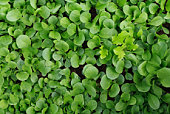
Spring is the time of year when we think about creating a vegetable garden, especially with all the emphasis on the damage that long transport distances do to the ecosystem, never mind the fact that we are eating vegetables that are not quite as fresh as they might be! When choosing the location for your vegetable garden forget the old idea that the veg patch must be an ugly spot. If carefully designed, thoughtfully planted and well cared for, it will be feature of your garden, bringing a touch of homeliness that no formal bed could ever create.
Bearing this in mind you should not restrict yourself to any area of the garden just because it is out of sight. In the average modern garden there won't be much choice as to land anyway. You will need to use what you have available and then do the best that you can with it. There will probably be more choice as to exposure and convenience. All things being equal, try and choose a spot reasonably close to the house with easy access. It may seem that the difference of only a few yards is hardly relevant, but if you are depending largely on snatched spare moments for working in the vegetable garden easy access will be much more important than you might realise. Only when you have made a dozen unnecessary trips for forgotten bits and pieces, or ended up getting wet as you dash in and out will you realise that it would have been much easier to have the veg garden just that little bit closer!
Alongside convenience you need to pick out a spot that has suitable exposure to Sun and rain. You don't want to use a spot that is blasted by cold winds and likely to catch a frost. Choose the "earliest" spot you can find, ideally sloping a little to the south or east, that catches the sunshine early and holds it late. Chill winds from the north and northeast can have dramatic effects on your yield so if you can pick a spot that gets some shelter be it from a garden building, fence or the house itself, your plot will be protected and your vegetables will get an early start. If there is no protection available think about planting a low hedge or putting some other form of protection in place if you are intending to grow all your own supplies.
It is unlikely that you will be able to choose the type of soil as most gardens are not big enough to have a variety of soils available. This is not really a problem as most soils can be improved quite easily to give the ideal growing conditions. The best soil for growing vegetables is said to be a 'rich and sandy loam'. That is a soil type that is almost never found but always made! It needs to be full of nutrients that are easily available for the plants to grow well. This can be achieved by the addition of compost and plant feed, either organic or chemical depending on your preference. The 'sandyness' refers to drainage. If your soil is too heavy the water will form a sticky mess that isn't good for your plants, equally if it is too sandy the water will pass through before the plants can take advantage of it. You can easily add sand or soil conditioners to get your drainage right.
Before planting you should make sure that the plot is well dug and prepared for your precious seedlings. In an ideal world we would plan our vegetable garden in the autumn, digging it over and working in lots of organic material. The winter weather would help to break up the soil and work in the nutrients giving a perfect growing medium when the warmer Spring weather comes. However, it isn't the end of the world if you haven't done that. You might have to work a little bit harder at first to make sure the soil is clear of weeds, stones and other rubbish but that won't take long and the sense of achievement when your new vegetable plot is all prepared is well worth it.
My vegetable garden is one of the most satisfying parts of my garden I love to go out each day and pick the vegetables that we will be eating, knowing that they are as fresh and wholesome as they can be. The constant supply of fresh seasonal foods is a great reward for the little effort that it takes to maintain.
Starting A Vegetable Garden
To start, you will need the proper tools to complete your project. For building a garden bed, you will need a digging spade and probably a digging fork (or spading fork). D-handled tools are best for this. If the cutting edge of the spade is blunt and burred, sharpen it. Also, smaller tools will be needed for the actual planting, weeding and upkeep.
Start with a garden bed. Try not to over do it and go big, smaller is always wiser when it comes to beginning any project. A good size for a beginner would be approximately 6 ft X 10 ft. If you plan to plant pumpkins, squash or zucchini, be prepared to go much bigger. These vegetables tend to need a lot of room, and often will spread out into the rest of you vegetables. Because of this, either start a bed specifically for these, or do not attempt at all if you have only a smaller garden. A raised bed can be advantageous to both you and the garden. It will allow the garden more warmth in the spring as well as keeping weeds at bay. It is best to create a framing for the bed; it will allow you to stand outside your garden without upsetting the plants and their root systems. Your garden should be able to get up to 6 hours of sunlight a day, so plan your location appropriately. If you do not have a yard big enough, container vegetable gardens are an option. Many plants including lettuce, tomatoes and peppers are just as good and hearty if planted in a large enough vessels. There should be at least 1-2 feet of soil to properly handle the root system.
Back to the garden, always fill the top 4-6 inches with a mixture of top soil and compost or fertilizer. Let it sit for 4 or 5 days before planting to ensure a healthy mixture. This will create a soil rich in nutrients for your garden.
When your garden is ready for planting, you will need to add your plant choices. As this article is for beginners, I am not going to discuss seeding methods. The following instructions are for warm season vegetables. For example: tomatoes, squashes and peppers. Keep in mind to grow only what your family will eat. Wasteful gardens tend to lead to a slacker approach to your gardens maintenance. To reap the rewards of winter planting, it is best to plant in August. However, nurseries don't seem to carry vegetables at that time of year, so it would be best to purchase earlier in the summer and keep through to the fall. Plant your vegetables with enough space between each other for best results. Root systems tend to strangle each other when planted to close. Also, spacing allows you to weed, water and tend to your garden without interfering with its growth. Plants always need more space than you might think, so always read the planting and spacing directions that come with each plant. Tip: tomato plants should be planted with half of their greenery underground to yield best results. Also, if you want a rewarding, productive garden, do some research to find out what grows well in your area. Liquid seaweed emulsion is one of the best sources of micro nutrients and a real soil and plant health booster. Use some in the watering can every two weeks. Remember to spray transplants with seaweed emulsion before you replant them, especially bare-root transplants. This will give your plant a good start to the growing season.
Weeds are the scourge of all gardens, so weeding is very important. Weeds rob moisture from your vegetables, and block sunlight. Always be sure to destroy all weed roots, they are insidious and will return. Do not walk on new garden beds. The soil will get compacted, lead to weed germination, and destroy the soil's texture. Use boards if you need to walk through the planting bed. Another good tip is to place mulch between rows. Straw, grass clippings and tree leaves and needles are great at benefiting the soil when they break down. It also helps with moisture and temperature, it's best to mulch when the soil is moist, and watering is best done early morning before the days heat sets in.
With these few tips, you can begin growing a vegetable garden of your own. It isn't too difficult as you can see, and you'll find it a rewarding experience to see something which you have planted from a small sprig, grow into tasty, hearty vegetables which will eventually end up on your plate. Delicious.
Both Lizzie Westerley & Pen Works are contributors for EditorialToday. The above articles have been edited for relevancy and timeliness. All write-ups, reviews, tips and guides published by EditorialToday.com and its partners or affiliates are for informational purposes only. They should not be used for any legal or any other type of advice. We do not endorse any author, contributor, writer or article posted by our team.
Lizzie Westerley has sinced written about articles on various topics from Vegetable Garden, Gardening. Lizzie Westerley has spent many pleasurable years developing her garden and her gardening skills. You can find more of her insights and information on how to make your garden equally magnificent at. Lizzie Westerley's top article generates over 3600 views. to your Favourites.
Pen Works has sinced written about articles on various topics from Gardening, Vegetable Garden. Courtesy of - Alan T White Master Landscapers based in Vancouver BC, Serving Major Landscape Construction Projects worldwide. Also pro. Pen Works's top article generates over 3600 views. to your Favourites.
Bad Credit Rental Homes Also it requires less paperwork and is hassle free. Bad credit secured loans are perfect for people who are suffering from bad credit status and in need of large amount of money